

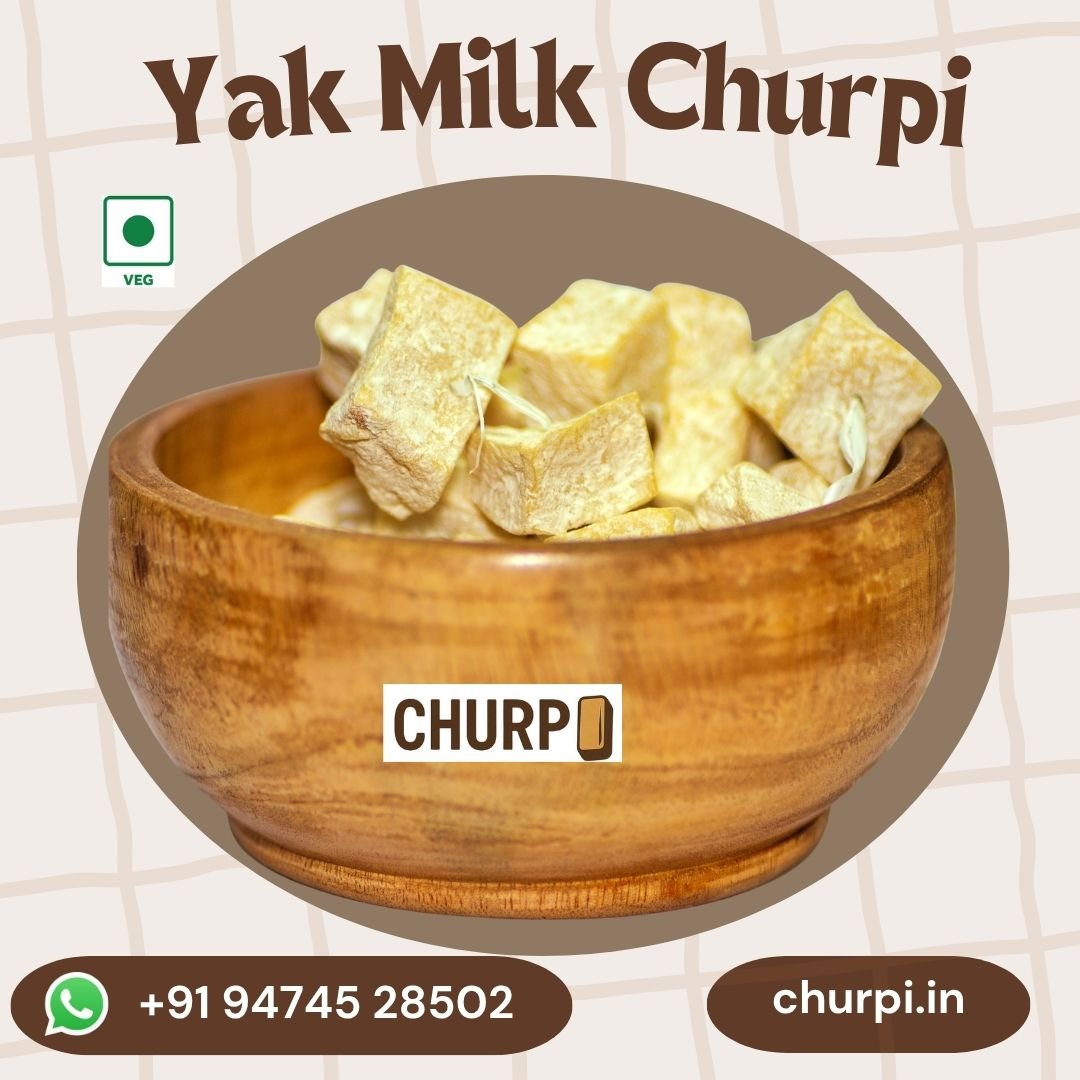
Yak Chhurpi is a traditional Himalayan cheese made primarily from Yak milk. Chhurpi is popular in regions of Arunachal Pradesh, and Nagaland.
Types of Yak Chhurpi
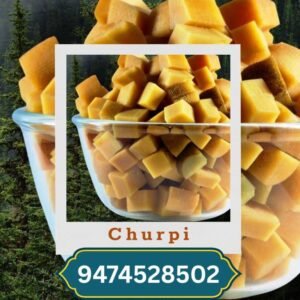
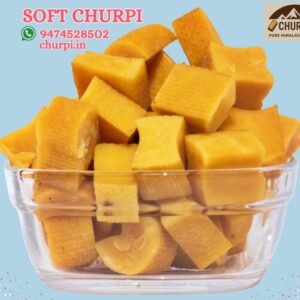
- Soft Chhurpi – Mild, creamy, and often eaten with rice or curry.
- Hard Chhurpi – Smoked and dried into hard cubes; chewed like a natural protein snack.
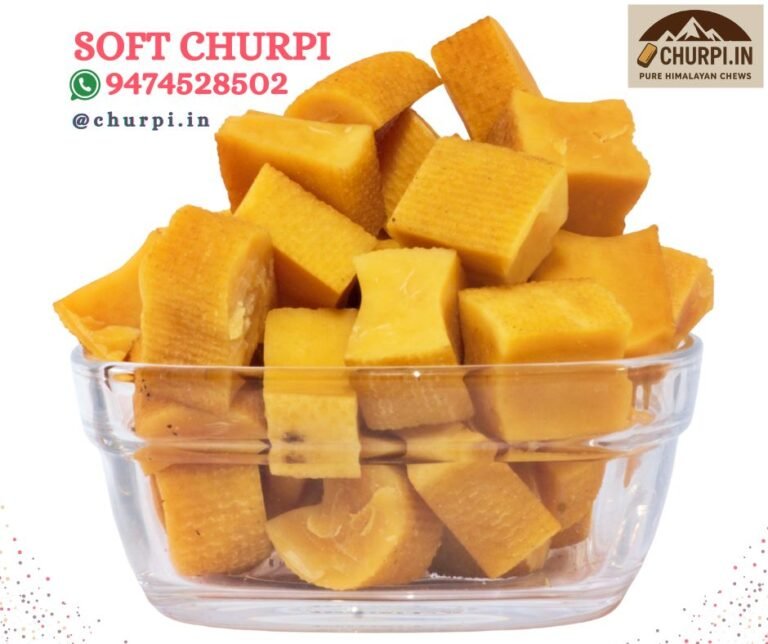 | Soft Churpi is a traditional, nutrient-rich cheese from the Himalayan regions of Sikkim, Darjeeling, and Arunachal. Crafted from yak or cow milk, this cheese boasts a subtle, creamy flavor and a texture soft to chew. While the harder cousin is little tough to chew. | |
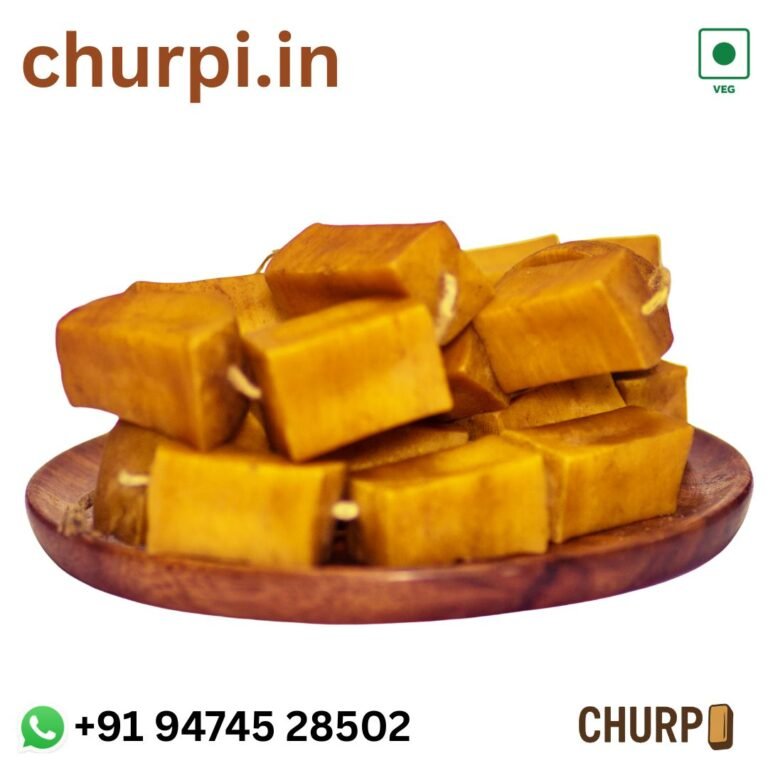 | Chhurpi Chauri Milk Churpi is a traditional Himalayan cheese made from the milk of the chauri—a resilient crossbreed between a male yak and a female domestic cow. Highly treasured in regions like Arunachal Pradesh, it is known for its incredible density, high protein content. | |
 | Darjeeling Churpi—buy authentic Churpi—handcrafted Himalayan cheese chews made from yak & cow milk. 100% natural, high-protein, long-lasting & perfect for humans | |
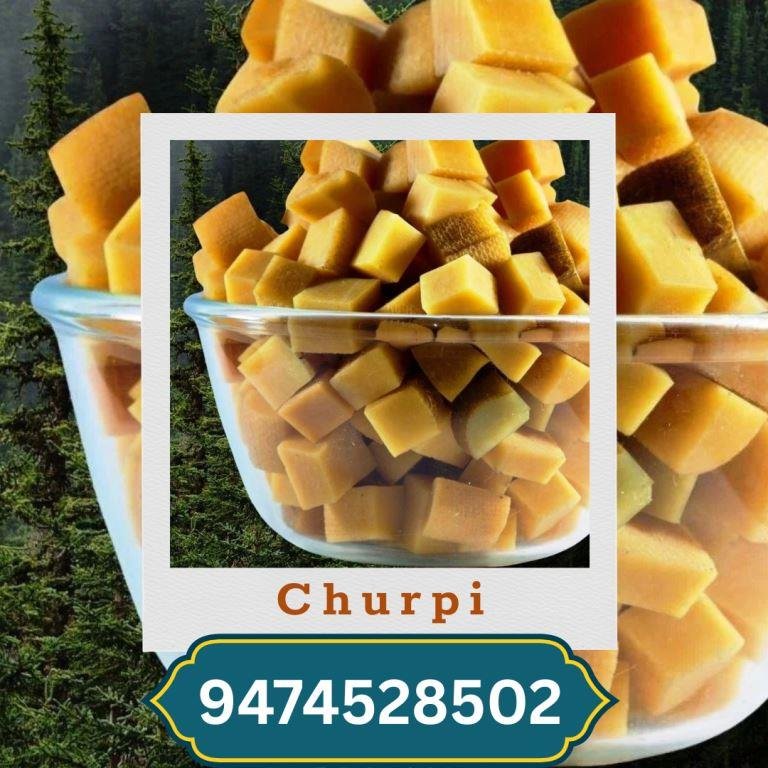 | Churpi, the authentic Himalayan yak milk cheese, is more than just a snack; it is an experience that transports you to the majestic heights of the Himalayas. | |
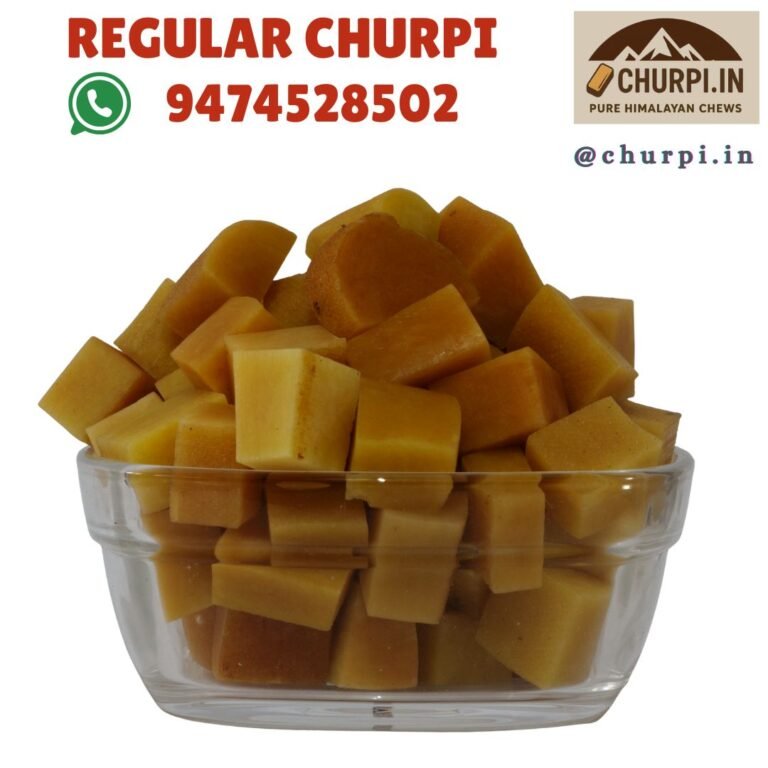 | Churpi is a hard, fermented cheese crafted from yak and cow milk. It's rich in protein, naturally smoked, and sun-dried at high altitudes—giving it a unique flavor and texture like no other. | |
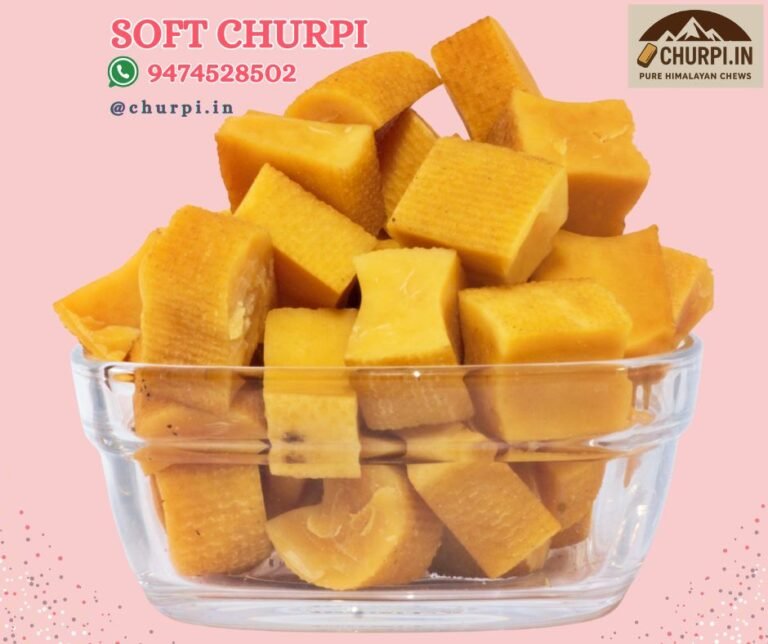 | Soft Churpi is a traditional, nutrient-rich cheese from the Himalayan regions of Sikkim, Darjeeling, and Arunachal. Crafted from yak or cow milk, this cheese boasts a subtle, creamy flavor and a texture soft to chew. While the harder cousin is a little tough to chew. | |
| | Soft Churpi is a traditional, nutrient-rich cheese from the Himalayan regions of Sikkim, Darjeeling, and Arunachal. Crafted from yak or cow milk, this cheese boasts a subtle, creamy flavor and a texture soft to chew. While the harder cousin is a little tough to chew. | |
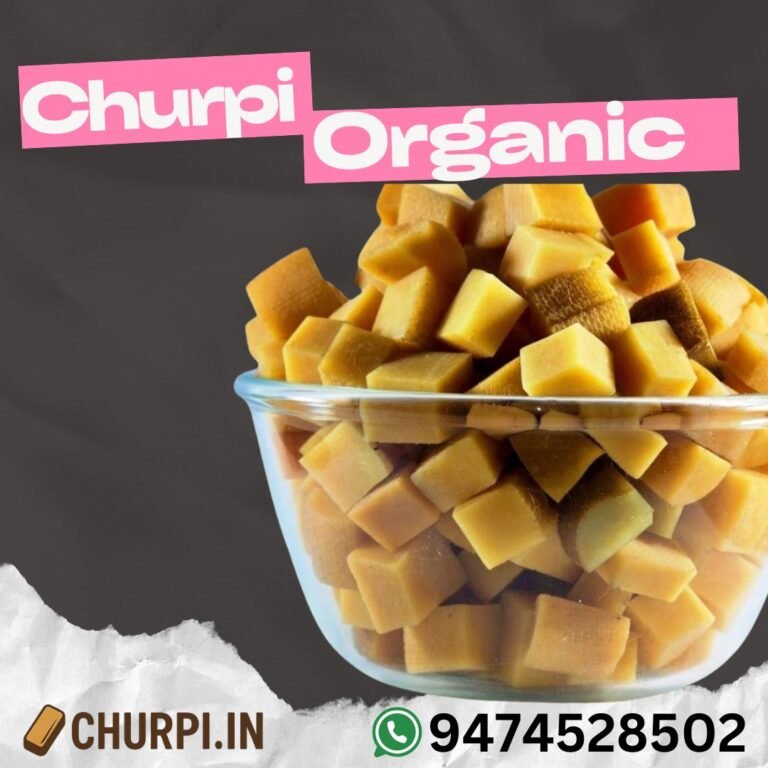 | Churpi online for human consumption, 410 grams. Order Churpi online—made especially for human consumption! International buyers and buyers from the USA are requested to contact us on WhatsApp or email at support@churpi.in | |
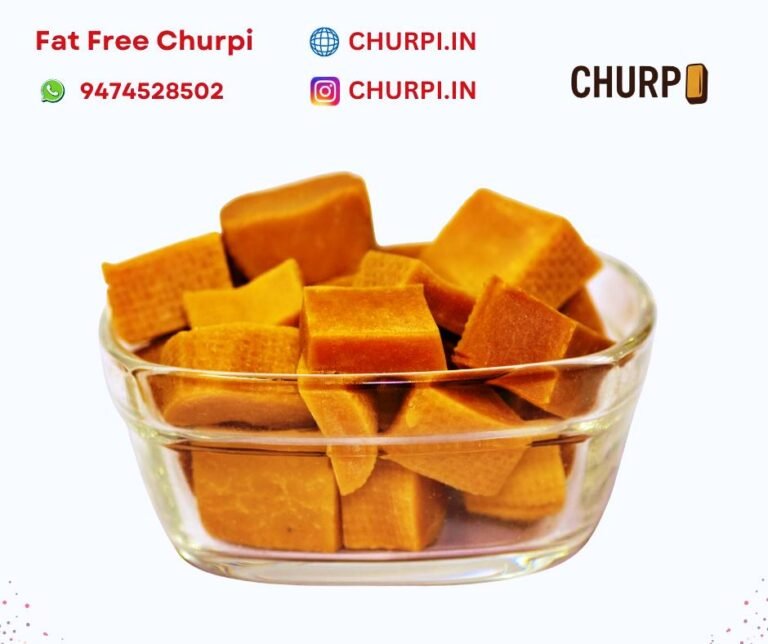 | Churpi Fat Free — is bringing all of that nutritional power to health-conscious consumers across India, without a gram of fat to worry about. | |
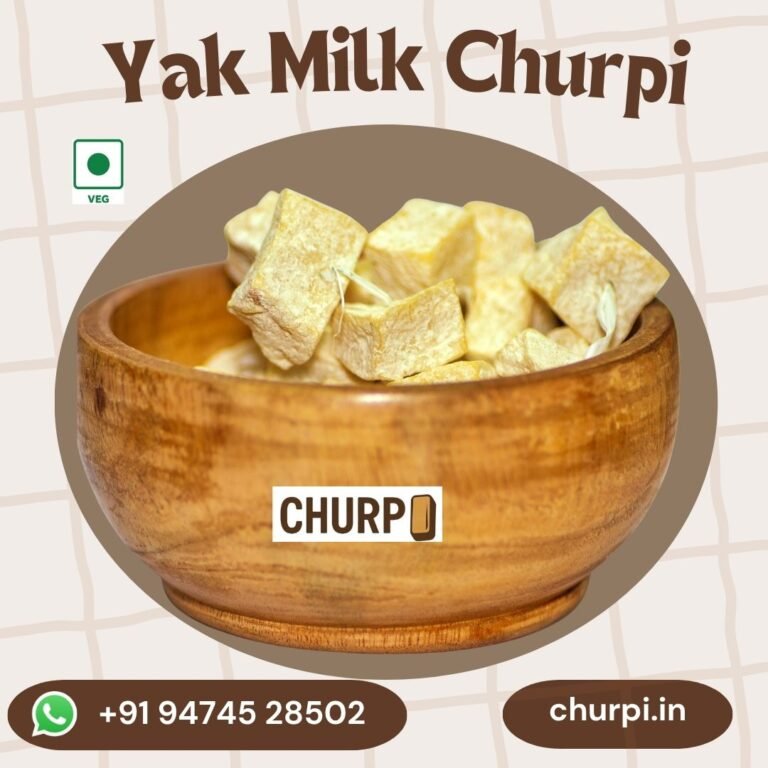 | Yak chhurpi has been a staple food for Himalayan communities for centuries, especially among high-altitude herders and mountain travelers because it stores well without refrigeration. | |
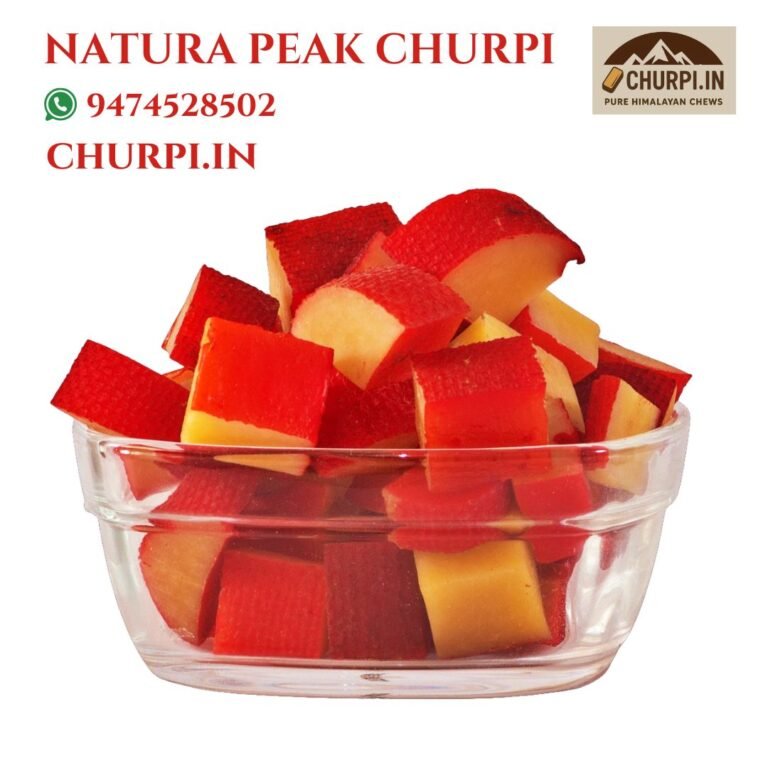 | Churpi Natura Peak is not just a snack—it’s a centuries-old Himalayan heritage. Handcrafted in the high-altitude villages of Nepal and Bhutan, Churpi is a natural hard cheese made from yak and cow milk, carefully smoked and sun-dried to preserve its nutrients and flavor. | |
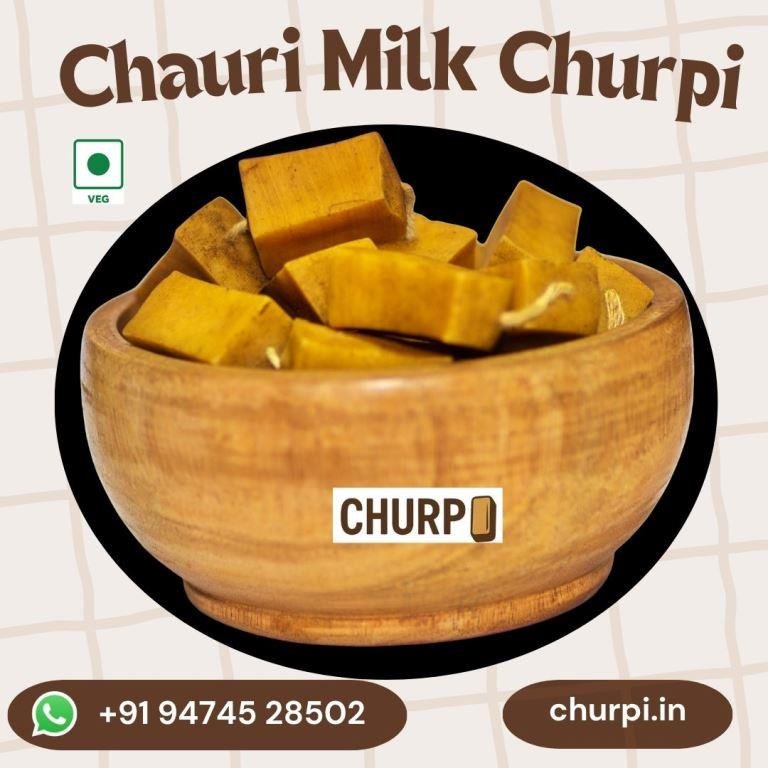 | Chhurpi Chauri Milk Churpi is a traditional Himalayan cheese made from the milk of the chauri—a resilient crossbreed between a male yak and a female domestic cow. Highly treasured in regions like Arunachal Pradesh, it is known for its incredible density, high protein content. | |
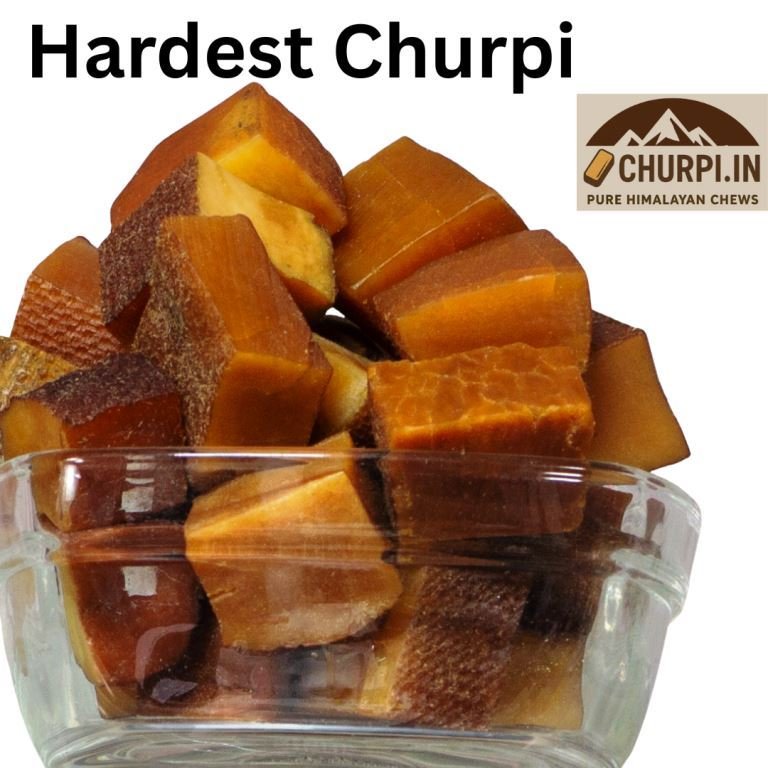 | Hardest Churpi is a traditional Himalayan cheese known as one of the hardest cheeses in the world. Made primarily from the milk of the chauri (a yak-cow cross), it is dried, smoked, and pressed to remove almost all moisture, resulting in an extremely hard, rock-like texture. | |
 | Hardest Churpi is a traditional Himalayan cheese known as one of the hardest cheeses in the world. Made primarily from the milk of the chauri (a yak-cow cross), it is dried, smoked, and pressed to remove almost all moisture, resulting in an extremely hard, rock-like texture. | |
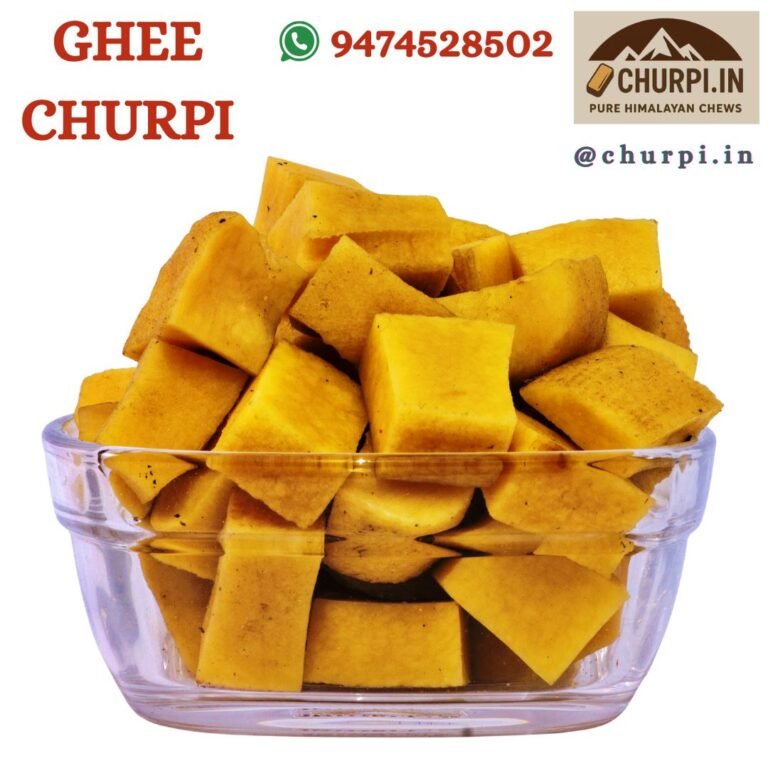 | Ghee Churpi is a unique Himalayan cheese, often appreciated for its deep connection to the region’s dairy traditions. When describing its taste, especially the popular soft Churpi tastes like ghee, many find that it carries a distinct flavor reminiscent of ghee itself—rich, creamy, with a mildly nutty and luxurious dairy aroma. | |
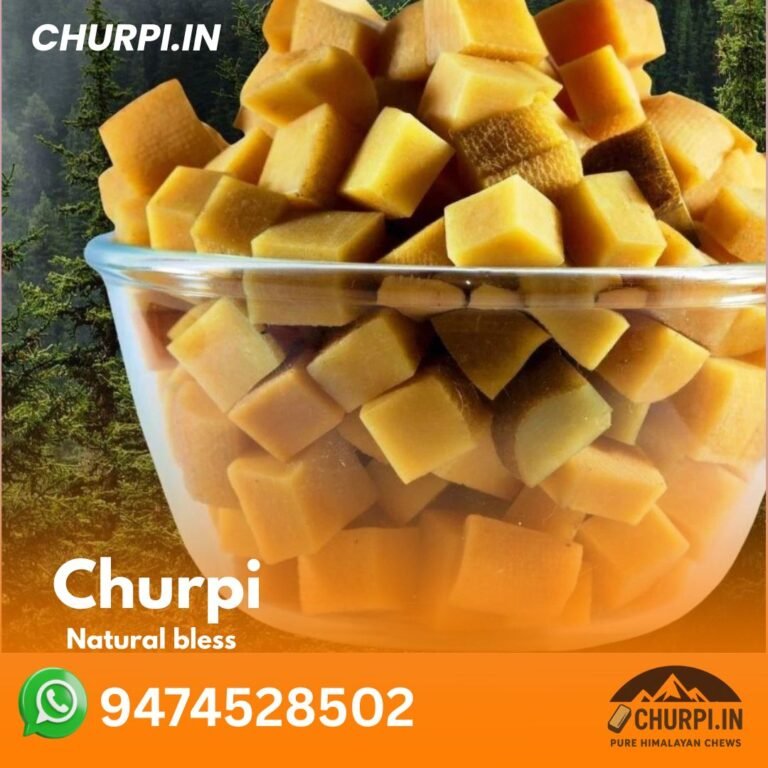 | Churpi is a 100% natural, man-made product, using the traditional and age-old Himalayan Tibetan recipe that has been passed on to generations for centuries. | |
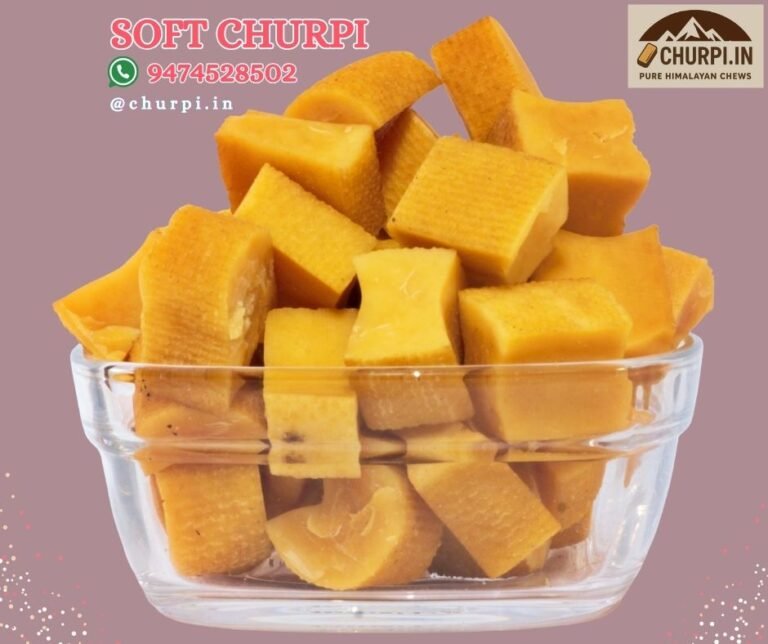 | Soft Churpi is a traditional, nutrient-rich cheese from the Himalayan regions of Sikkim, Darjeeling, and Arunachal. Crafted from yak or cow milk, this cheese boasts a subtle, creamy flavor and a texture soft to chew. While the harder cousin is a little tough to chew. | |
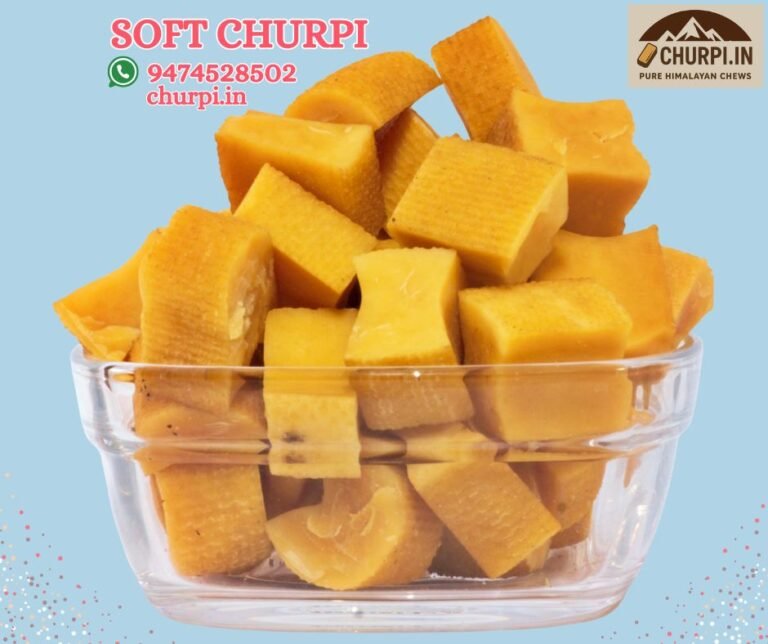 | Soft Churpi is a traditional, nutrient-rich cheese from the Himalayan regions of Sikkim, Darjeeling, and Arunachal. Crafted from yak or cow milk, this cheese boasts a subtle, creamy flavor and a texture soft to chew. While the harder cousin is a little tough to chew. |
Why It’s Special
- Extremely high in protein
- Rich in calcium and minerals
- Naturally long shelf life
- Traditionally made using age-old Himalayan methods
Traditional Preparation
- Fresh yak milk is boiled
- Milk is curdled naturally
- Curds are pressed into blocks
- For hard chhurpi, the cheese is smoked and sun-dried for weeks
Taste & Texture
- Soft chhurpi: slightly tangy and creamy
- Hard chhurpi: smoky, chewy, and slowly softens while chewing
Cultural Importance
Yak chhurpi has been a staple food for Himalayan communities for centuries, especially among high-altitude herders and mountain travelers because it stores well without refrigeration.
Chhurpi
Chhurpi is a traditional Himalayan cheese made from the milk of yak, chauri (a yak–cow hybrid), or cow. It is a staple food across parts of Tibet, valued for its long shelf life, nutritional density, and role as a portable protein source in high-altitude communities.
Key facts
-
Primary ingredient: Yak or chauri milk
-
Texture types: Soft (fresh) and hard (fermented, dried)
-
Region of origin: Eastern Himalayas (Arunachal Pradesh)
-
Flavor profile: Mildly tangy to smoky, depending on fermentation
-
Shelf life: Up to several years when dried
Production and varieties
Churpi is made by curdling milk with natural souring agents, straining the curds, and pressing them into blocks. The soft version, similar to cottage cheese, is consumed fresh. The hard version undergoes extended drying or smoking, becoming extremely dense and tough—sometimes chewed for hours like a natural candy or preserved for long journeys.
Cultural significance
In Himalayan households, chhurpi is both a daily food and a cultural emblem. It features in soups, curries, and tea, and serves as a vital source of calcium and protein in areas where fresh produce is scarce. Sharing chhurpi is often a gesture of hospitality in rural mountain communities.
Global recognition
Beyond its traditional regions, hard chhurpi has gained popularity internationally as a natural, long-lasting dog chew treat, marketed for its digestibility and absence of additives. Its growing export trade has brought attention to sustainable yak herding and mountain dairy economies.
Nutrition and preservation
Chhurpi’s high protein and low fat content make it a valuable survival food for herders and trekkers. Its resilience to spoilage—owing to Himalayan climate conditions and dehydration—illustrates centuries-old food preservation expertise adapted to extreme environments.

Reviews
There are no reviews yet.